
Pipes do not freeze evenly. They freeze in the four or five places in a house where nobody has put any heat.
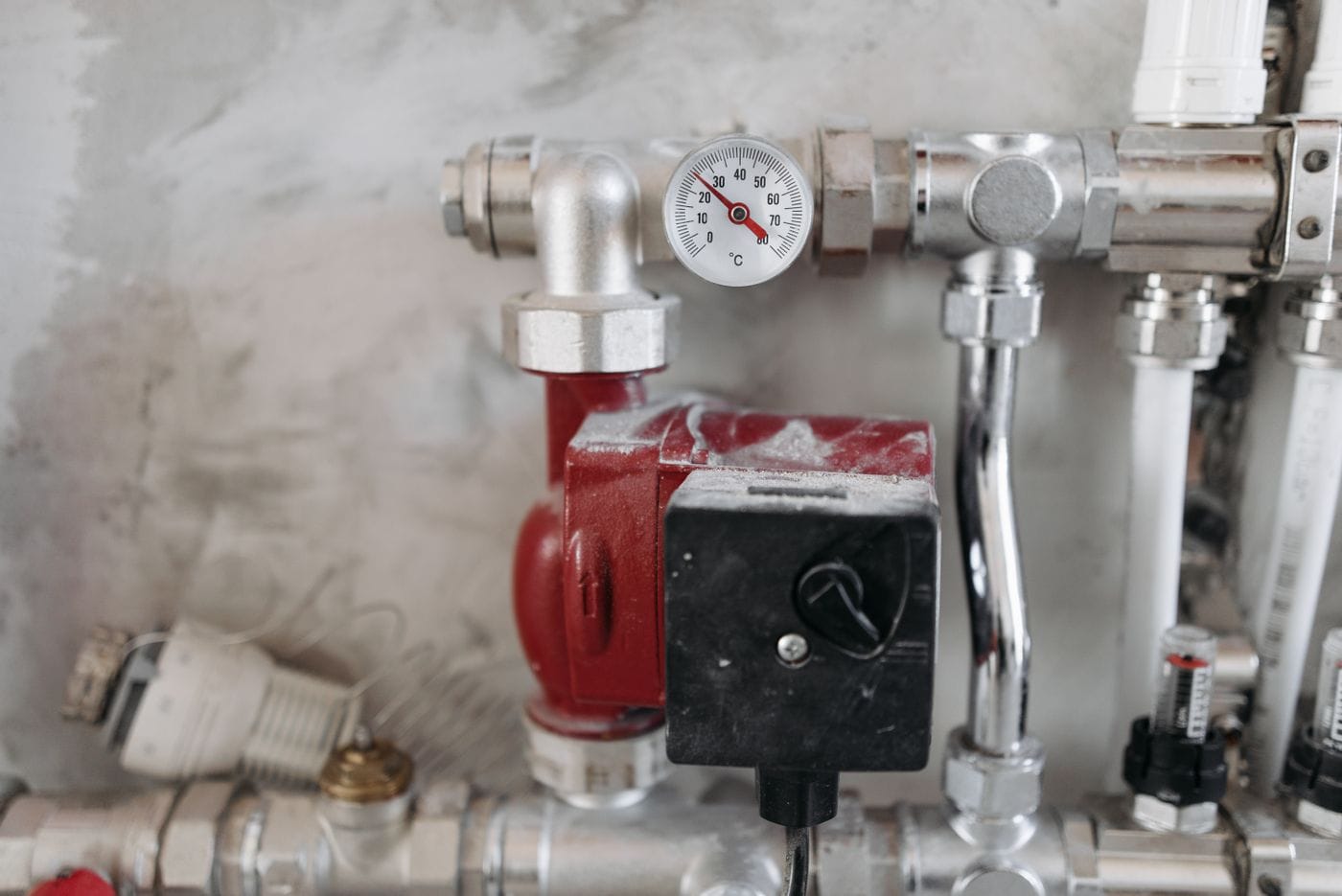
Where it happens
- Unheated crawlspaces — long runs with no heat source and often a vent open to outside air
- Garages and carports — particularly a tap or a laundry line on an exterior wall
- Exterior walls — pipe run on the cold side of the insulation rather than the warm side
- Attics — less common here, but any pipe above the insulation line is exposed
- Vacant or unheated suites — a secondary suite left unheated while empty puts the whole system at risk
Insulation versus heat trace
Insulation slows heat loss. It does not add heat. On a pipe that is normally warm and occasionally cold, it buys enough time to get through a cold snap, and it reduces standing heat loss on hot water lines all year. It is cheap and it is the right first step almost everywhere.
Heat trace adds heat. It is a cable run along the pipe, on a thermostat so it only draws power when it needs to, and then insulated over. Where a pipe genuinely cannot be kept warm — a long crawlspace run, an exposed section in a carport — it is the proper answer rather than more insulation.
Doing it properly
Insulation has to be continuous. Gaps at elbows, valves and hangers are where the pipe freezes, and a run that is 90% insulated fails at the other 10%. Fittings need covers, not a wrap of tape.
Heat trace must be rated for the pipe material, installed to the manufacturer’s spacing, and never overlapped on itself. It is the one item on this list where a bad DIY install is worse than none at all.
What it costs you to wait
A burst line inside a wall or under a floor is both a plumbing repair and a building repair. Insulating the exposed runs is an hour or two of work in October. It is the cheapest item on the autumn list by a wide margin.
Booking it
We work across Langley, Surrey, Vancouver, Burnaby, Richmond, the North Shore, the Tri-Cities and the Fraser Valley. Licensed and insured, with a written workmanship warranty set out in our Service Guarantee.
This is one of eight jobs we cover in the autumn plumbing guide for the Lower Mainland.
Related guides
- Luxury Bathroom Rough-In Checklist: What Must Be Right Before the Tile Goes On
- Can Your House Run a Custom Shower? Flow, Pressure and the 3/4-Inch Question
- Pro-Press Tech: No Flames, Just Permanent Seals
- The Seastack Standard: Why Quality is Invisible