
Between September and December the phone changes. The same eight jobs come up again and again across Langley, Surrey, Vancouver and the North Shore — and almost all of them are cheaper, calmer and better done in October than in January.
Why this season, specifically
Three numbers explain most of what we install in the last four months of the year.
November is the wettest month in Metro Vancouver — around 242 mm of rain, with measurable rain on roughly 70% of days. October brings about 155 mm and December about 206 mm. Whatever your drainage does badly, it will do it between October and December.
Water damage is now the number one home insurance claim in Canada, accounting for more than 40% of all home claims. The average water damage claim runs about $23,550, and the average basement flood about $43,000. Several insurers have introduced minimum deductibles of $2,500 specifically for water damage.
Plumbers are busiest in December and January. That is when the emergency calls land. Work booked in September or October gets better availability, unhurried workmanship, and no premium for turning out at 11pm on a Sunday.
None of that is a sales pitch. It is the reason the list below looks the way it does.
1. Hot water tank replacement
Why now: a conventional tank lasts roughly 6 to 12 years, and they tend to fail when the incoming water gets cold and the tank works hardest. A tank that has been quietly rusting all summer gives up in December — on the coldest weekend, when every plumber in the Lower Mainland is already out.
How it helps: replacing a tank you know is near the end of its life costs the same in October as it does in an emergency, except you choose the unit, you choose the day, and your family is not washing in cold water while you wait. If yours is over eight years old, check the serial number sticker — most manufacturers encode the build date in it, and we can read it for you over the phone.
Read more: When to replace a hot water tank →
2. Sump pump replacement and battery backup
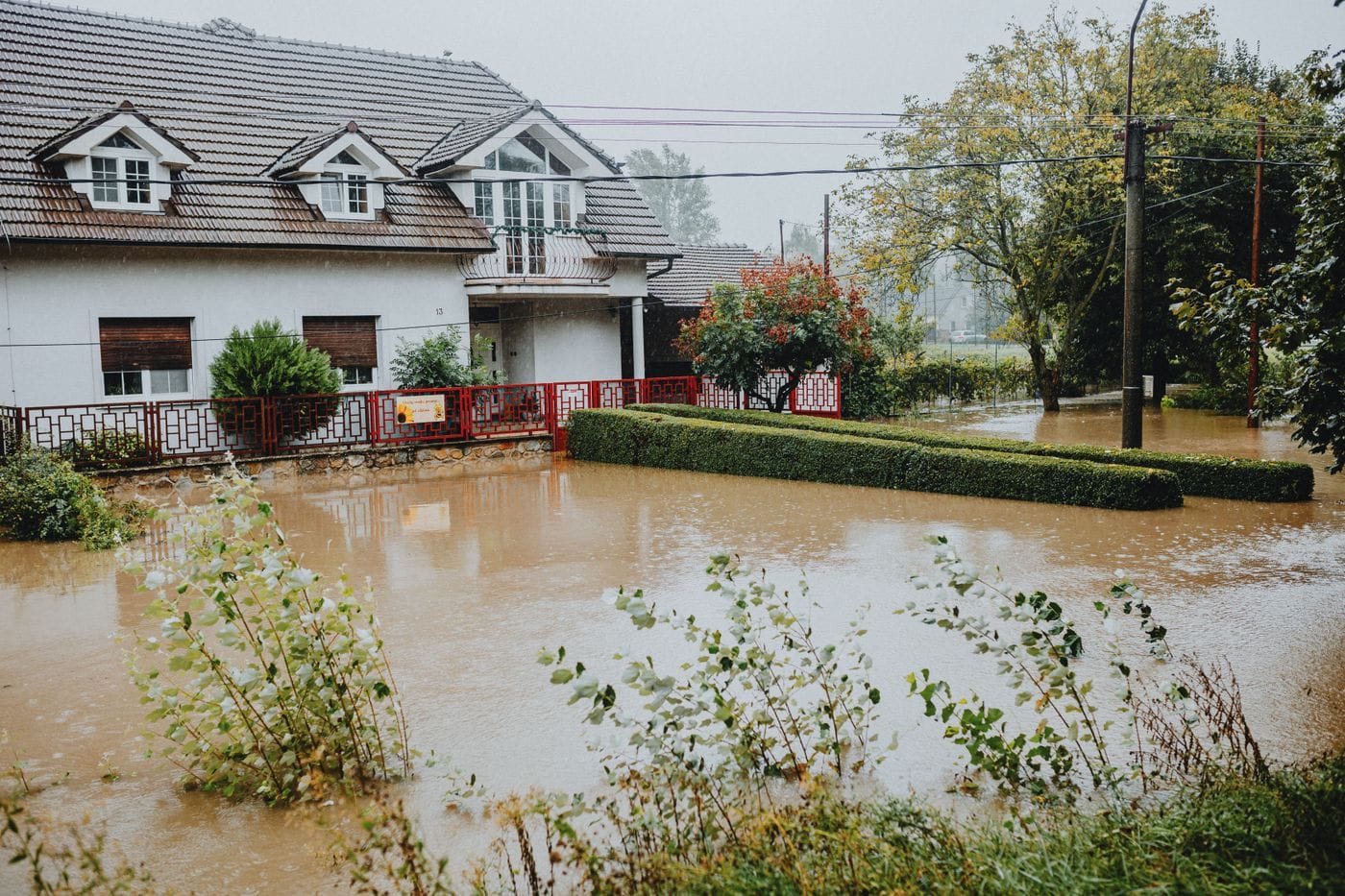
Why now: a sump pump that has sat dry since April is an unknown quantity. The first week of real November rain is the worst possible time to discover the float is stuck or the impeller has seized.
How it helps: a working sump is the difference between a damp day and a $43,000 claim. The battery backup matters just as much as the pump — the storms that overwhelm a sump are the same storms that take the power out, and a mains-only pump is useless at exactly the moment you need it. We test, replace and add backup before the season, not during it.
Read more: Testing your sump pump and why backup matters →
3. Backwater valve installation
Why now: heavy rain overloads the municipal system. A backwater valve is a one-way gate on your drainage connection that stops the sewer coming back up into your basement when the street main surcharges.
How it helps: if you have a finished basement, a basement suite, or a bathroom below street level, this is the single highest-value thing on this list. Many municipalities have offered rebates for retrofitting one, and some insurers price sewer backup coverage differently once it is fitted — worth asking both before you book.
Read more: How a backwater valve works and who needs one →
4. Perimeter drainage and drain tile
Why now: the drain tile around older Lower Mainland homes silts up slowly and invisibly. Nobody notices in August. The first sign is almost always damp at the base of a basement wall in November, by which point the water is already in the wall.
How it helps: flushing or replacing perimeter drainage before the rainy season keeps groundwater moving away from the foundation instead of into it. On the North Shore and the slopes above Marine Drive this is not optional maintenance — it is the system keeping your basement dry.
Read more: How perimeter drainage fails, and the signs →
5. Non-freeze hose bibbs and outdoor tap winterisation
Why now: the Lower Mainland does not freeze often, which is exactly why this gets forgotten. We get a handful of hard nights most winters, and that is enough.
How it helps: a standard outdoor tap holds water in the section inside your wall. When that freezes it splits, and you find out in spring when you turn the tap on and water appears in the ceiling below. A non-freeze wall hydrant shuts off well inside the heated envelope and drains itself. Fitting one is a small job in October and a drywall repair in March.
Read more: Outdoor taps and the freeze nobody plans for →
6. Boiler and hydronic heating service
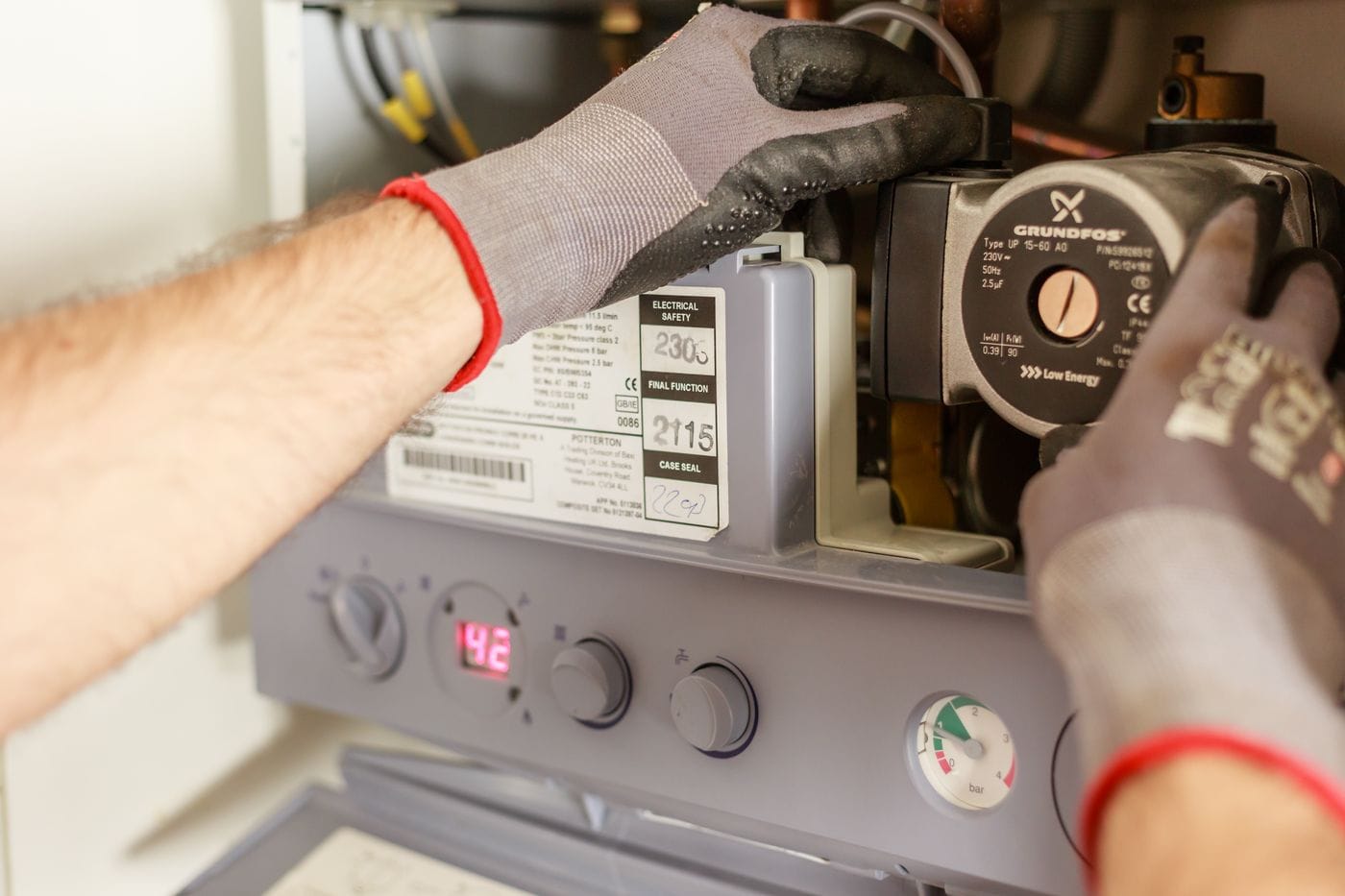
Why now: the heating season starts in earnest in October. A boiler that has been idle since spring will reveal every fault it has in the first fortnight of use.
How it helps: an annual service catches the pressure, expansion and circulation problems that turn into no-heat calls in January. Hydronic and radiant systems are far more common on the North Shore than elsewhere in the region, and they are unforgiving of neglect. Booked in autumn you get a service appointment; booked in January you get an emergency rate.
Read more: What a boiler service should actually cover →
7. Leak detection and automatic shut-off
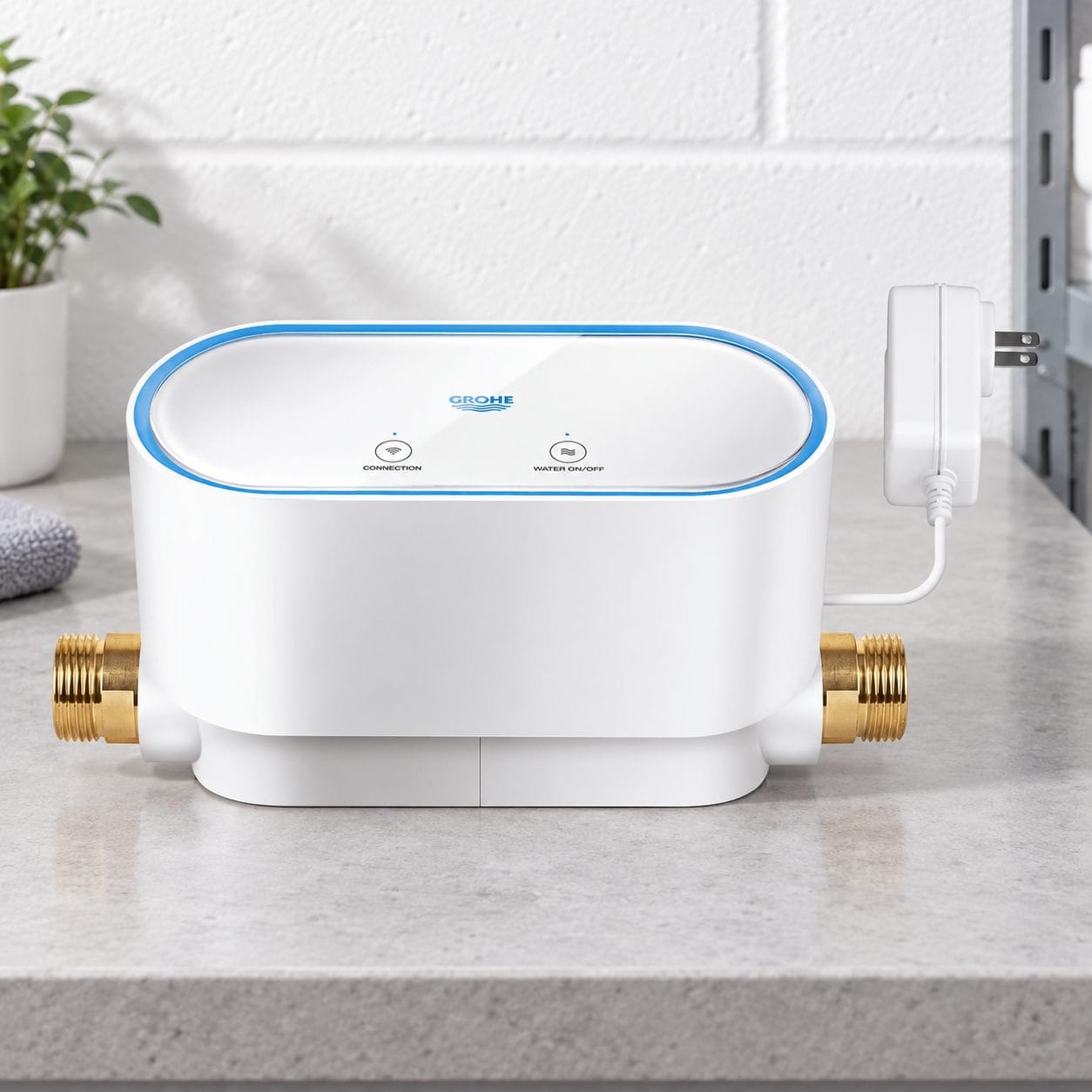
Why now: this is the travel season. Houses sit empty over the holidays, and a supply line that lets go on 23 December is discovered on 2 January.
How it helps: a device like the GROHE Sense Guard fits on the main line where it enters the house, monitors pressure and flow continuously, and shuts the water off by itself when it sees a burst, alerting your phone. Given that water damage is Canada’s leading home claim at an average of $23,550, a device that turns a flood into a notification pays for itself the first time it works. GROHE quote about 90 minutes for professional installation.
Read more on our GROHE Sense Guard installation page.
Read more: Automatic shut-off for a house that sits empty →
8. Pipe insulation and freeze protection
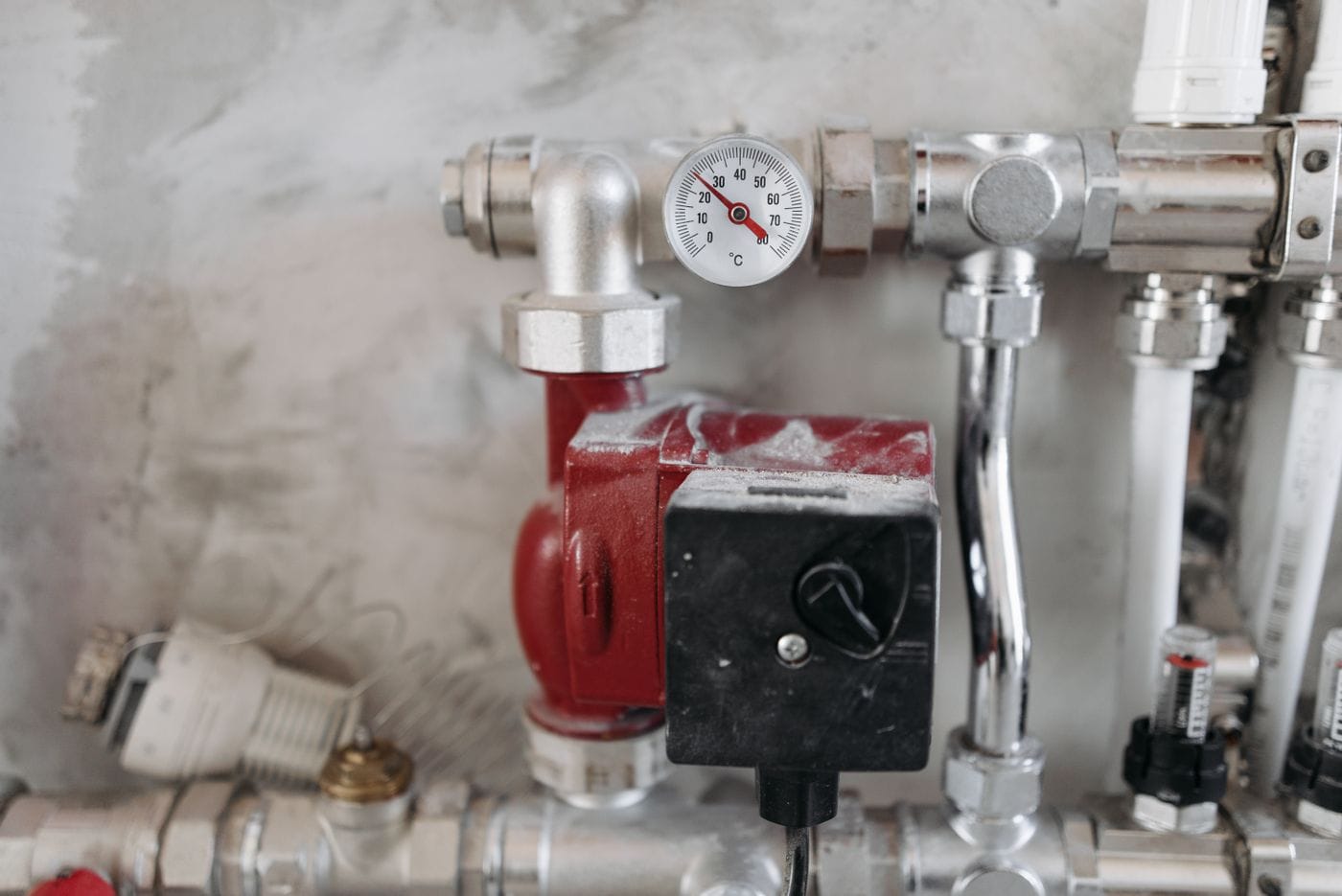
Why now: unheated crawlspaces, garages, carports and exterior walls are where pipes fail in a cold snap. Insulating them is an hour of work in the autumn.
How it helps: insulation buys you time in a freeze and stops heat loss on hot water lines all year. Where a pipe genuinely cannot be kept warm — a long crawlspace run, an exposed section in a carport — heat trace cable on a thermostat is the proper answer. Both are cheap compared to a burst line inside a wall.
Read more: Where pipes actually freeze, and heat trace →
What we would do first
If you only do one thing this autumn, make it the one that protects the biggest number. For most Lower Mainland homes with a finished basement, that is drainage — the sump, the backwater valve and the perimeter drain, in that order. For a house that sits empty over the holidays, it is leak detection with automatic shut-off.
If your hot water tank is over eight years old, it belongs on the list regardless. It is the one item on this page that will certainly need doing, and the only question is whether you choose the date or it chooses for you.
Book before the rain, not during it
We work across Langley, Surrey, Vancouver, Burnaby, Richmond, the North Shore, the Tri-Cities and the Fraser Valley. Licensed and insured, with a written workmanship warranty set out in our Service Guarantee.
Rainfall figures are long-term monthly averages for Metro Vancouver. Insurance claim figures are Canada-wide industry averages and are given for general context only — your own coverage, deductible and eligibility are set by your insurer. Rebates for backwater valves vary by municipality and change; confirm current programmes with your city before relying on one.
Related guides
- When to Replace a Hot Water Tank — And Why Autumn Beats January
- Sump Pumps in the Lower Mainland: Test It in September, Not November
- Backwater Valves: The One-Way Gate Between the Sewer and Your Basement
- Perimeter Drainage: Why Basements Get Damp in November, Not August